
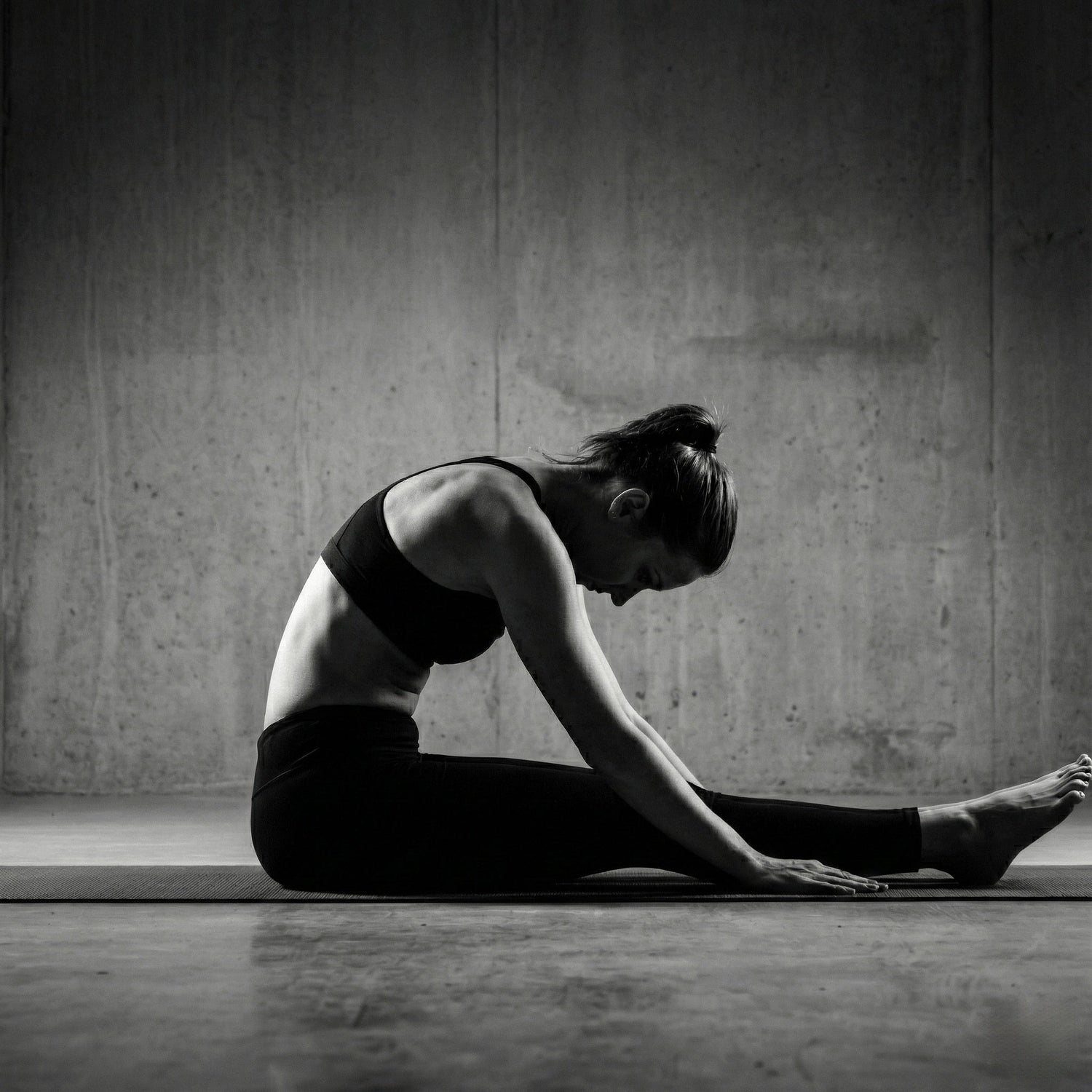
Exercises That Increase and Correct Kyphosis with Kodgem Straight
Prolonged desk work, constantly looking down at phones, and incorrect exercise choices are gradually increasing the problem of hunched posture (kyphosis).
However, there is an important fact that most people are unaware of:
Not every exercise is beneficial for kyphosis.
Some exercises may activate muscles, yet still worsen posture.
As Kodgem Straight, in this article—based on university-level and academic research—we scientifically explain:
- Exercises that may increase kyphosis
- Exercises that support upright posture
- When you should not exercise
What Is Kyphosis (Hunched Posture)?
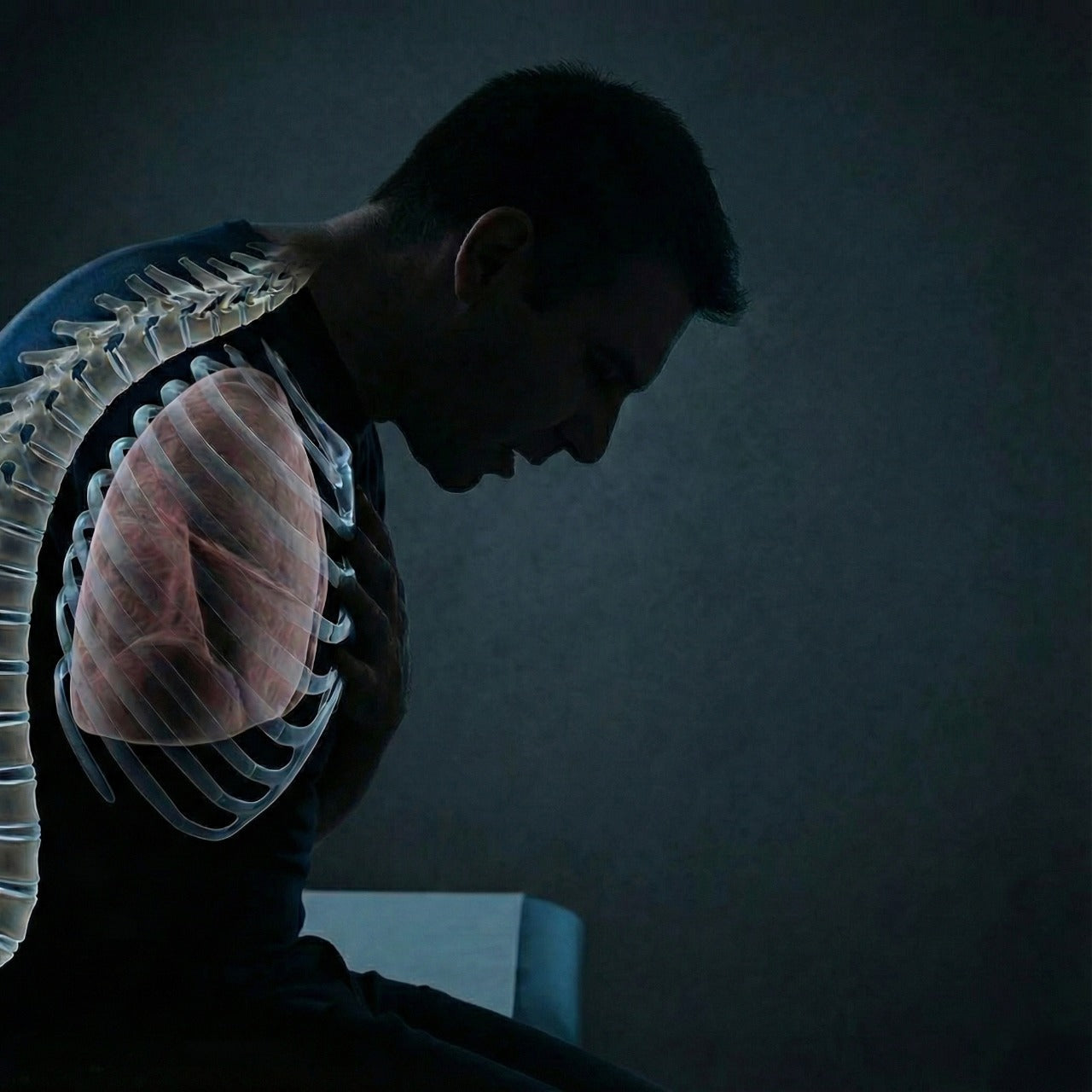
Kyphosis is a condition in which the spine—particularly the upper back (thoracic region)—curves forward more than normal.
In scientific literature, this condition is often defined as postural hyperkyphosis.
An academic meta-analysis reports the following conclusion:
“Exercise-based conservative methods can improve spinal alignment and reduce the thoracic kyphosis angle in individuals with postural kyphosis.”
This finding demonstrates that correct exercises positively affect posture, whereas incorrect exercises do not produce the same benefit.
If You Have a Hunched Posture, Avoid These Exercises
Some exercises frequently performed in gyms and Pilates classes include movements that actively flex the spine forward.
In individuals with kyphosis, this may cause the already existing hunched posture to be repeatedly reinforced.
Exercises That May Worsen Kyphosis
Crunches
→ Repeatedly flex the spine forward
→ Further strengthen the already dominant anterior muscle chain in kyphosis

Sit-Ups
→ Create more spinal flexion compared to crunches
→ May increase upper-back rounding and forward head posture

Roll Down / Roll Up (Pilates)
→ Increase thoracic flexion despite controlled execution
→ Re-teach faulty posture during exercise

Pilates 100 (The Hundred)
→ Head and shoulders are forward, chest remains closed
→ While working the core, the upper back stays rounded
Excessive Forward-Flexion–Based Core Exercises
Core exercises: Movements targeting the body’s central muscles, including the abdominals, lower back, hips, and muscles surrounding the spine.
→ Strengthen the core but do not teach upright spinal alignment
→ Not functional for postural kyphosis
A physiotherapy-based exercise guideline includes the following warning:
“Exercises involving repetitive spinal flexion may worsen thoracic kyphosis in individuals with postural disorders.”
In summary: These exercises are not inherently bad—but they are performed at the wrong stage for individuals with kyphosis.
But Don’t These Exercises Build Muscle?
Yes, they do.
However, hunched posture (kyphosis) develops due to insufficient muscle balance and disrupted muscular coordination.
In individuals with kyphosis:
- Anterior muscles (front chest, front shoulders, upper abdominals) → shortened and overactive
- Posterior muscles (upper back, rear shoulders, and scapular muscles) → weak and underactivated
Therefore, exercises that further flex the spine forward do not solve the problem; instead, they reinforce the existing postural imbalance.
Exercises That Should Be Done for Kyphosis
According to scientific research, the primary goals of kyphosis exercises are to:
- Strengthen back muscles
- Teach the shoulders to move backward
- Develop the rib cage muscles in the opposite direction to open the chest
- Stabilize the spine in a neutral position
An academic systematic review reached the following conclusion:
“Strengthening spinal extensor muscles is consistently associated with improved posture and a reduction in hyperkyphosis.”
Recommended Exercises for Kyphosis
Back Extension / Superman
Activates spinal extensor muscles. Supports thoracic spine extension and builds strength against hunched posture.

Corner Stretch Exercise
Retracts the shoulders to stretch chest muscles and activate back muscles more effectively.
By reducing tightness in the chest muscles, it helps strengthen the muscles around the shoulder blades in proper alignment and supports postural correction.

Wall Angels
Teach correct posture with wall support. Improve shoulder–scapula control and promote balance between the chest and upper back.

Chest-Opening Stretching Exercises
Lengthen shortened chest muscles. Help bring the shoulders backward and open the upper body.

Plank with a Neutral Spine
Engages core and postural muscles together. Applies controlled, proper loading to the spine and improves lumbar and thoracic stability.

Bird Dog / Dead Bug
Improve spinal stabilization. Activate abdominal, back, and trunk muscles in a balanced manner to enhance postural control.

These exercises: Support upright posture. Activate postural muscles. Load the spine in the correct direction
When Should You Not Exercise?
Not every case of hunched posture can be corrected with exercise.
Exercise should not be performed without professional guidance in the following situations:
- Persistent or severe back pain
- Neurological symptoms such as numbness or tingling
- Structural kyphosis (e.g., Scheuermann’s disease)
- Recent spinal injury or surgery
In the definition of structural kyphosis, the following statement is used:
“Scheuermann’s disease is a structural deformity of the spine and requires medical and professional supervision rather than uncontrolled exercise.”
Conscious Exercise, Upright Posture with Kodgem Straight

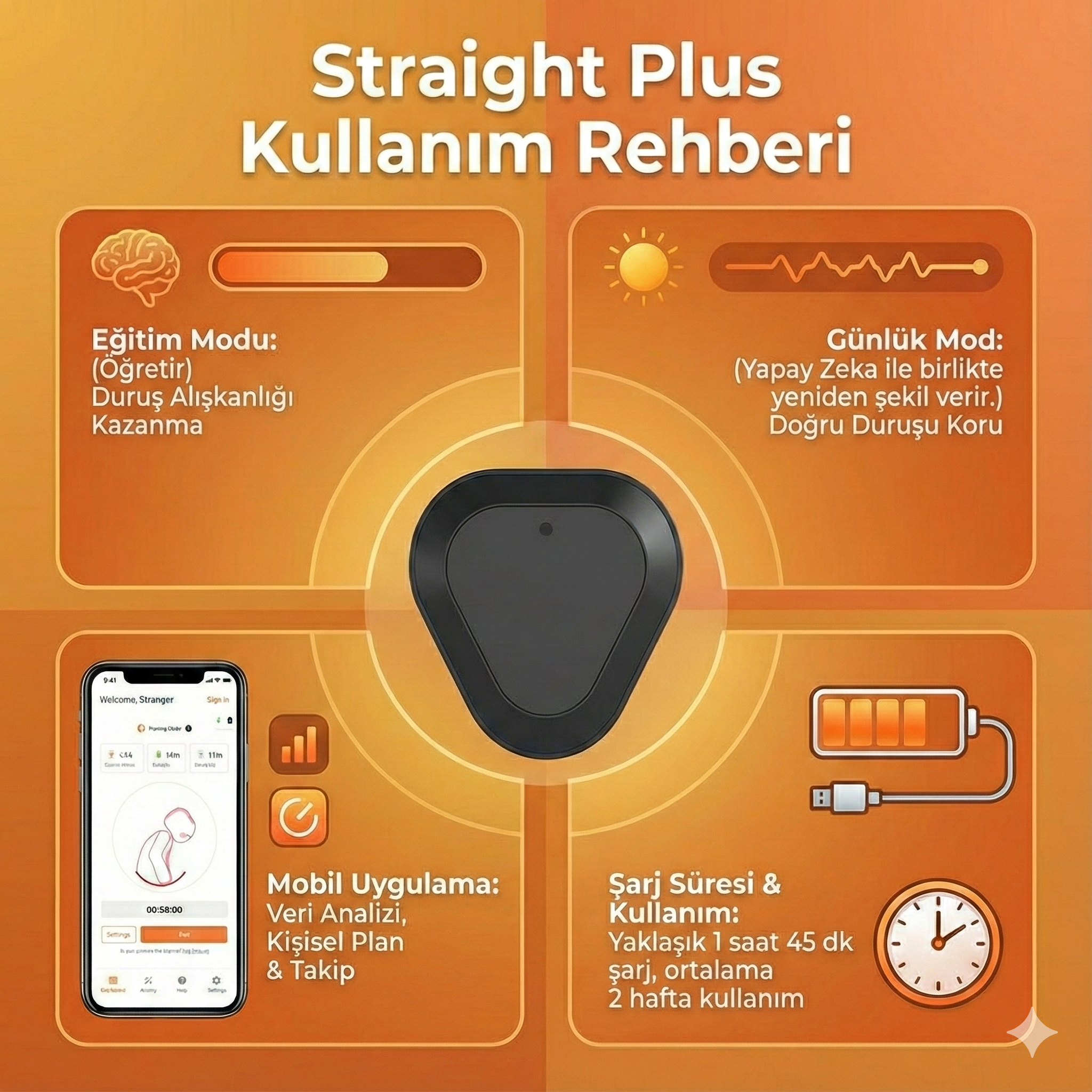
Kodgem Straight is a smart posture assistant that uses a scientific biofeedback method to monitor posture throughout the day and provide immediate sensory feedback.
It continuously guides you in training mode during daily life—helping you naturally retract your shoulders, stretch your chest muscles, and keep your back muscles active without conscious effort.
As a result, while using Kodgem Straight, you effectively perform continuous posture exercises throughout the day and naturally support balanced development of the chest and back muscles.
Incorrect exercises and poor posture habits:
→ Can lead to increased hunching
Correct exercises and proper guidance:
→ Promote a more upright, stronger, and balanced posture
For this reason, Kodgem Straight advocates a science-based, posture-focused, and personalized approach for kyphosis and postural disorders.
References
MDPI – Healthcare Journal
Application of Conservative Methods Based on Exercise in the Treatment of Postural Kyphosis
Springer – Current Osteoporosis Reports
Exercise for Improving Age-Related Hyperkyphosis: A Systematic Review
Home Physiotherapy Exercises
Exercises for Kyphosis – What to Do and What to Avoid
Wikipedia
Scheuermann’s Disease

Leave a comment
This site is protected by hCaptcha and the hCaptcha Privacy Policy and Terms of Service apply.